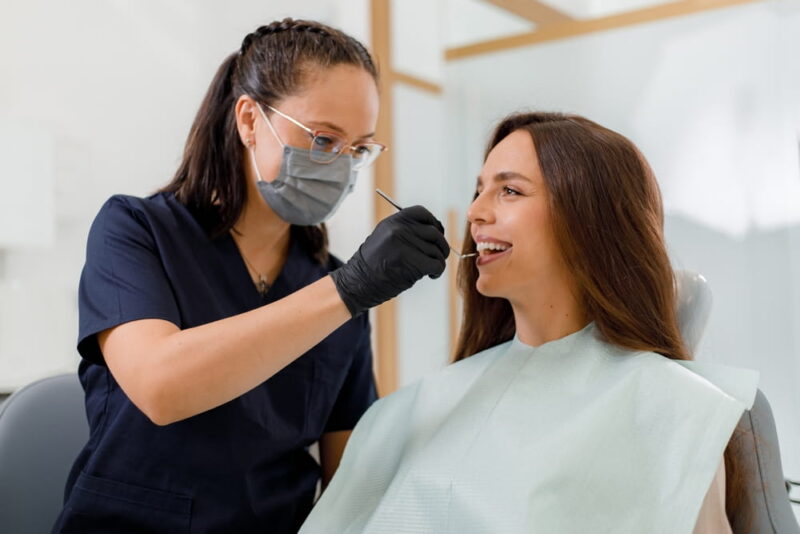

Understanding Cash-Pay Dentistry
Paying for dental care without insurance does not mean you have to sacrifice quality, preventive care, or access to professional treatment. Cash-pay dentistry refers to paying directly for dental services rather than relying on an insurance plan to cover some or all of the cost. For patients in Goleta, CA, understanding how to budget for dental care and compare treatment options can make dental visits more predictable and manageable. At Aloe Dental Wellness, Dr. Daniela Cadavid emphasizes the importance of approaching oral health as an ongoing investment rather than waiting until a dental problem becomes urgent.
Dental insurance can be helpful, but it is not the only way to maintain a healthy smile. Insurance plans may have deductibles, annual maximums, waiting periods, exclusions, or limitations on certain procedures. Cash-pay patients can instead focus on the actual care they need, discussing costs directly with their dental provider before treatment whenever possible. This approach can make it easier to understand the value of preventive visits and address concerns before they become more complex.
How to Make Dental Costs More Predictable
One of the most effective ways to manage dental expenses without insurance is to prioritize preventive care. Routine examinations and professional cleanings can help identify cavities, gum problems, enamel wear, and other concerns while they are still easier to address. Delaying routine care because of cost can sometimes result in more extensive treatment later, making prevention an important part of a cash-pay strategy.
Patients can also ask for a written treatment estimate before beginning recommended procedures. Understanding the expected cost, what the treatment involves, and whether there are alternative approaches can help you make an informed decision. Depending on the circumstances, minimally invasive approaches may also help preserve healthy tooth structure while addressing dental concerns. Learning about Minimally Invasive Dentistry can provide additional context about conservative approaches to oral care.
Strategies for Paying Without Insurance
Cash-pay patients can take several practical steps to make dental expenses easier to plan. Consider these strategies:
- Schedule preventive appointments consistently rather than waiting for symptoms.
- Request treatment estimates before proceeding with non-urgent care.
- Ask about available payment arrangements or financing options.
- Prioritize treatments according to urgency and oral health needs.
- Maintain daily brushing and flossing habits to reduce preventable problems.
- Discuss treatment alternatives when multiple clinically appropriate options exist.
Cosmetic and elective procedures should generally be considered separately from urgent or medically necessary dental care when planning a budget. Treatments such as Invisalign may represent a longer-term investment, while an unexpected dental injury or severe tooth pain may require more immediate attention. Understanding the distinction between routine, elective, and urgent care can help patients allocate their resources appropriately. Information about Emergency Dental care can also help patients recognize why certain situations should not be postponed simply because they are paying out of pocket.
Choosing Quality Over Cost Alone
When comparing dental providers, the lowest price should not necessarily be the deciding factor. Quality dentistry involves professional training, appropriate diagnosis, careful treatment planning, infection-control practices, communication, and follow-up care. Patients should feel comfortable asking questions about recommended procedures, expected outcomes, risks, alternatives, and total costs before making decisions.
It is also important to consider the long-term value of preserving natural teeth and maintaining good oral health. A lower-cost approach that does not adequately address an underlying problem could eventually require additional treatment. Similarly, preventive care may seem like an expense when you are paying out of pocket, but consistent maintenance can help reduce the likelihood of more complicated dental needs.
Building a Sustainable Dental Care Plan
A cash-pay approach works best when dental care becomes part of a regular household budget rather than an unexpected expense. Setting aside money throughout the year for examinations, cleanings, restorative treatment, or other anticipated needs can make appointments easier to manage. Keeping up with oral hygiene at home also supports professional care and can help reduce avoidable dental problems.
Patients should remember that quality dental care is about more than having insurance. A thoughtful approach combines prevention, informed decision-making, realistic budgeting, and communication with a dental professional. Whether care involves maintaining healthy teeth or addressing a developing concern, understanding your options can help you make decisions that support your oral health over time. For patients seeking educational guidance about cash-pay dentistry in Goleta, CA, Aloe Dental Wellness provides a local context for understanding how thoughtful dental planning can support long-term oral wellness.
Resources
American Dental Association. (2024). Oral Health Topics: Dental Benefits and Insurance. American Dental Association.
American Dental Association. (2024). Oral Health Topics: Preventive Care. American Dental Association.
National Institute of Dental and Craniofacial Research. (2024). Oral Health and Dental Care. National Institutes of Health.