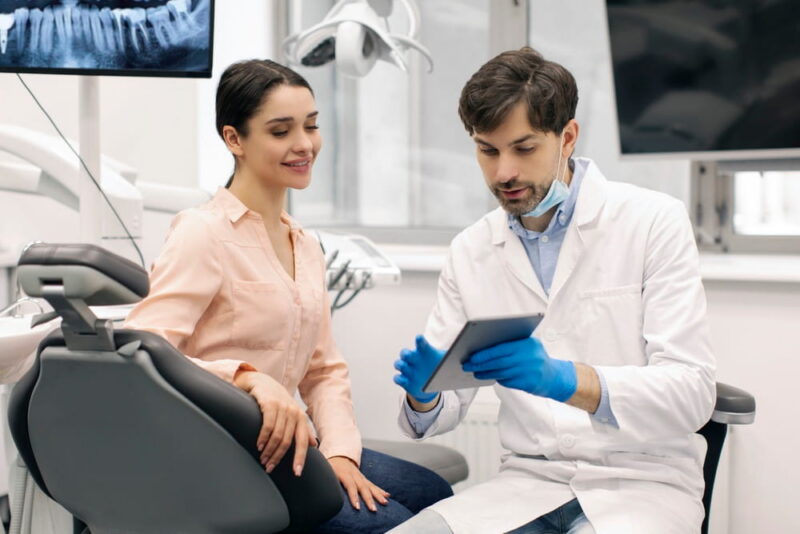

Choosing a new dental provider can feel overwhelming, especially if it has been several years since your last appointment. Many patients are unsure what will happen during their first visit, what information they should bring, and whether any treatment will be performed that day. Understanding the process can help reduce anxiety and make the experience more comfortable. At Aloe Dental Wellness in Goleta, CA, Dr. Daniela Cadavid encourages patients to view their first appointment as an opportunity to build a foundation for long-term oral health and personalized care.
Preparing Before You Arrive
A successful first dental visit often begins before you walk through the door. Most dental practices ask new patients to complete health history forms, provide insurance information if applicable, and share details about current medications. This information helps the dental team understand factors that may influence oral health, such as medical conditions, allergies, or previous dental treatments.
It can also be helpful to gather any records from a previous dentist, especially if you have undergone extensive treatment in the past. Patients should be prepared to discuss concerns they may have, whether related to tooth sensitivity, cosmetic goals, jaw discomfort, or changes in their oral health. Being open about your expectations helps create a more personalized experience.
Many people delay appointments because they are worried about being judged for the condition of their teeth. Modern dentistry focuses on education and solutions rather than criticism. The first appointment is designed to assess your current oral health and develop a plan that fits your needs and goals.
Understanding the Initial Examination
The primary purpose of a first dental visit is to evaluate your overall oral health. During the examination, the dentist will carefully inspect your teeth, gums, bite, tongue, and surrounding tissues. This comprehensive assessment helps identify both existing issues and potential concerns that may develop in the future.
Common areas evaluated during the examination may include:
- Signs of tooth decay or cavities
- Gum inflammation or periodontal disease
- Existing restorations such as fillings or crowns
- Bite alignment and jaw function
- Oral cancer screening findings
- Tooth wear, grinding, or clenching habits
This evaluation provides a complete picture of your oral health status. Even if you are not experiencing pain or noticeable symptoms, the examination can reveal early-stage problems that are easier and less costly to address before they become serious.
The dentist may also discuss lifestyle habits that affect oral health, including diet, tobacco use, stress, and oral hygiene routines. These conversations help create recommendations tailored specifically to your situation.
Why Dental X-Rays Are Often Recommended
Many first appointments include diagnostic imaging. Dental X-rays allow providers to see areas that cannot be examined visually, including spaces between teeth, beneath restorations, and below the gumline.
These images can help identify hidden decay, infections, impacted teeth, bone loss, and other conditions that may not cause symptoms during the early stages. Digital imaging technology has significantly reduced radiation exposure while providing highly detailed images for diagnosis.
The type of imaging needed varies from patient to patient. Some individuals may require only routine diagnostic images, while others may need more advanced scans depending on their dental history or treatment goals. The information gathered from these images helps ensure that recommendations are based on a complete understanding of your oral health.
Discussing Your Dental Goals
A first visit is not only about identifying problems. It is also an opportunity to discuss what you would like to achieve with your smile and oral health. Some patients are focused on maintaining healthy teeth and gums, while others may be interested in improving aesthetics or correcting alignment concerns.
For example, patients interested in enhancing the appearance of their smile may want to learn more about Cosmetic Dentistry. Those seeking straighter teeth may discuss options such as Invisalign. Sharing your goals helps the dentist explain available treatment options and expected outcomes.
The conversation may also include preventive strategies designed to preserve natural tooth structure whenever possible. Modern approaches such as Minimally Invasive Dentistry focus on early intervention and conservative treatment techniques that support long-term oral health.
Creating a Personalized Treatment Plan
After gathering information from the examination and any diagnostic images, the dentist will review findings and discuss recommendations. This treatment planning process allows patients to understand their current oral health status and prioritize any necessary care.
Not every patient requires immediate treatment. Some individuals may simply need routine preventive care and regular cleanings. Others may benefit from addressing existing concerns such as cavities, gum disease, damaged restorations, or alignment issues. The dentist will typically explain the purpose, benefits, timeline, and estimated costs associated with recommended procedures.
Patients experiencing urgent symptoms such as severe tooth pain, swelling, or trauma may also learn about options related to Emergency Dental care. Understanding available solutions helps patients make informed decisions about their treatment journey.
Building a Long-Term Partnership for Oral Health
One of the most valuable aspects of a first dental visit is establishing a relationship with a provider who understands your health history, concerns, and goals. Consistent dental care allows small issues to be identified early and provides ongoing guidance for maintaining healthy teeth and gums throughout life.
The first appointment serves as the foundation for future care. It gives patients an opportunity to ask questions, discuss concerns, and gain confidence in their treatment decisions. Whether you are returning to dental care after a long absence or simply transitioning to a new provider, understanding what to expect can make the experience significantly less stressful.
At Aloe Dental Wellness in Goleta, CA, Dr. Daniela Cadavid recognizes that every patient brings unique needs and concerns to the dental chair. By approaching the first visit as a collaborative conversation rather than a simple examination, patients can feel informed, comfortable, and empowered to take an active role in their oral health for years to come.
Resources
American Dental Association. (2024). Oral Health Topics. Journal of the American Dental Association.
Thomson, W. M. (2023). Dental Care and Oral Health Maintenance. Community Dentistry and Oral Epidemiology.
Watt, R. G., Daly, B., Allison, P., Macpherson, L. M. D., Venturelli, R., Listl, S., Weyant, R. J., Mathur, M. R., Guarnizo-Herreño, C. C., Celeste, R. K., Peres, M. A., Kearns, C., & Benzian, H. (2019). Ending the Neglect of Global Oral Health. The Lancet.