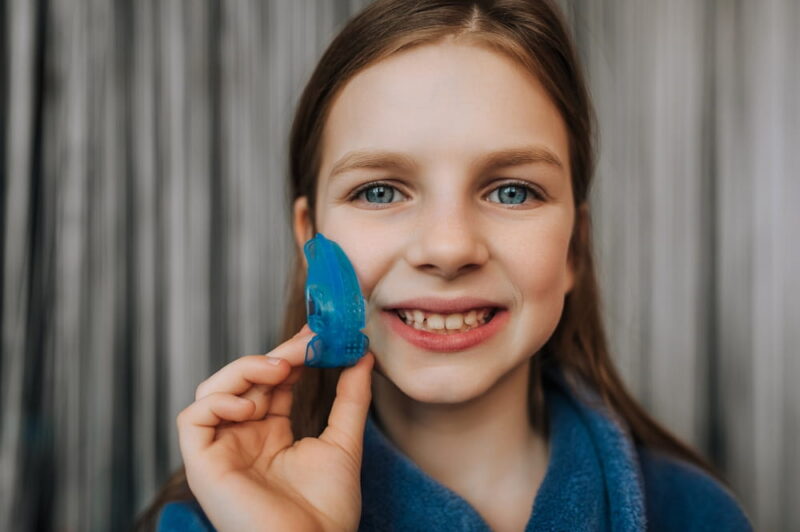

Cosmetic dentistry has transformed dramatically over the past few decades, blending both science and artistry to enhance smiles. Once limited to simple procedures like teeth whitening and basic restorations, today’s cosmetic dentistry encompasses a wide variety of treatments aimed at improving dental aesthetics and overall oral health. The advancements in technology, materials, and techniques have allowed dental professionals to achieve more natural-looking results while ensuring functionality and durability.
In the modern context, cosmetic dentistry is no longer just about appearance—it’s about confidence, personal expression, and overall wellness. From subtle corrections to full smile makeovers, the field emphasizes precision, customization, and long-term outcomes. Innovations such as digital imaging, 3D modeling, and laser treatments have made cosmetic procedures more predictable, comfortable, and effective. Understanding these developments helps patients make informed choices about their dental care.
Aloe Dental Wellness in Goleta, CA, represents the growing trend of dental practices that focus not only on oral health but also on patient education. Exploring the principles of cosmetic dentistry can empower individuals to better appreciate the intersection of health, aesthetics, and technology in modern dental treatments.
Key Procedures in Cosmetic Dentistry
One of the foundational areas of cosmetic dentistry is teeth whitening. Whitening procedures vary from in-office treatments that provide immediate results to at-home solutions designed for gradual improvements. Each approach works by breaking down stains and discoloration caused by food, beverages, and age, and the choice of method depends on the degree of staining and patient lifestyle. Understanding the mechanisms and limitations of teeth whitening can help patients set realistic expectations.
Another major area is restorative cosmetic dentistry, including veneers, crowns, and bonding. Veneers are thin porcelain or composite shells that cover the front surface of teeth to correct discoloration, chips, or minor misalignments. Crowns restore the entire tooth structure, protecting weakened teeth while improving their appearance. Bonding involves applying a tooth-colored resin to repair small imperfections. These procedures require a balance of aesthetic judgment and clinical precision, as achieving natural color, shape, and alignment is essential for a harmonious smile.
Additionally, orthodontics intersects with cosmetic dentistry through clear aligners and other minimally visible devices that help straighten teeth. While traditional braces focus primarily on functional correction, cosmetic orthodontics emphasizes discreet, visually appealing treatments. Understanding these options highlights how cosmetic dentistry combines practical dental improvements with visual enhancements.
Materials and Technology Shaping Modern Smiles
The choice of materials plays a critical role in the outcome of cosmetic dental procedures. Modern ceramics, composite resins, and zirconia have transformed the field by offering durable, biocompatible, and lifelike restorations. Each material has specific strengths and considerations, including translucency, stain resistance, and adaptability to individual dental anatomy. By understanding these differences, patients can better appreciate why certain materials are recommended for particular treatments.
Technology also revolutionizes diagnosis and treatment planning. Digital smile design software allows dentists to simulate outcomes, adjusting tooth shape, color, and alignment before any procedure is performed. Similarly, intraoral scanners replace traditional impressions, providing accurate 3D models that improve the precision of restorations. Laser treatments and CAD/CAM systems reduce discomfort and accelerate healing while maintaining high-quality results. The integration of technology in cosmetic dentistry emphasizes both patient satisfaction and procedural efficiency.
- Benefits of modern cosmetic dentistry technology:
- More predictable treatment outcomes
- Reduced procedure time and discomfort
- Enhanced aesthetics with natural-looking results
- Personalized treatment planning for individual smiles
The Psychological Impact of Cosmetic Dentistry
Beyond the technical aspects, cosmetic dentistry significantly affects psychological well-being. A confident smile can improve self-esteem, social interactions, and even professional opportunities. Research has shown that patients often experience measurable improvements in mood, confidence, and social engagement after undergoing cosmetic dental treatments. Understanding this connection highlights the holistic benefits of cosmetic dentistry, extending beyond the purely physical results.
Moreover, the perception of oral aesthetics can influence personal habits, encouraging better oral hygiene and preventive care. The desire to maintain a visually appealing smile can motivate patients to adopt consistent brushing, flossing, and routine dental visits. By appreciating the psychological and behavioral impact of cosmetic dentistry, individuals can see its broader role in promoting overall wellness and quality of life.
Cosmetic dentistry continues to advance as a blend of science, artistry, and technology. For those seeking to understand its principles, Aloe Dental Wellness in Goleta, CA, offers a window into how modern dental innovations can enhance both appearance and self-confidence, providing a comprehensive understanding of oral aesthetics.
Resources:
- Joiner, A. (2006). Tooth Colour: A Review of the Literature. Journal of Dentistry.
- Pjetursson, B. E., & Sailer, I. (2015). Ceramic and Metal-Ceramic Restorations. Periodontology 2000.
- Feine, J. S., & Lund, J. P. (2006). Measuring Patient Satisfaction with Dental Prostheses. Journal of Oral Rehabilitation.