
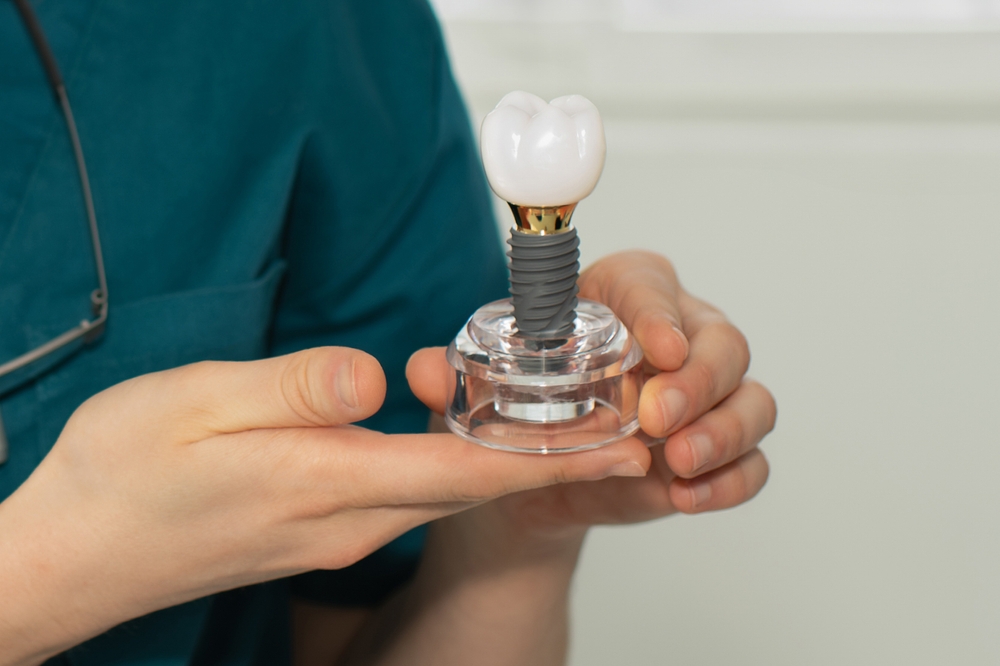
Implant crowns are a cornerstone of modern restorative dentistry, offering a solution for replacing missing teeth while restoring both function and aesthetics. Unlike traditional crowns placed on natural teeth, implant crowns are attached to dental implants—small titanium posts surgically anchored into the jawbone. This distinction allows implant crowns to function more like natural teeth, providing stability, strength, and longevity. Exploring the fundamentals of implant crowns highlights how modern dentistry combines engineering, biology, and artistry to create durable dental restorations.
The design and placement of implant crowns require careful planning. The crown must fit precisely on the implant abutment, align with adjacent teeth, and mimic natural tooth color and shape. Materials, occlusion, and bite forces are all considered to ensure long-term success. Aloe Dental Wellness in Goleta, CA, provides a lens through which the broader principles of implant crown treatment can be examined, emphasizing the importance of understanding the interplay between implants, crowns, and oral health.
Materials and Types of Implant Crowns
Implant crowns are made from a variety of materials, each offering distinct benefits depending on clinical goals and aesthetic considerations. Porcelain crowns are highly popular due to their natural appearance and ability to blend seamlessly with surrounding teeth. Zirconia crowns provide exceptional strength and durability, making them suitable for patients who require restorations in high-stress areas of the mouth. Metal-ceramic crowns combine strength with aesthetic appeal, using a metal substructure covered by a tooth-colored layer of porcelain.
The choice of material impacts not only appearance but also longevity and wear resistance. Understanding the characteristics of different crown materials allows patients and dental professionals to weigh aesthetic desires against functional requirements. Furthermore, the connection between the implant and the crown—whether screw-retained or cemented—affects maintenance and retrievability, adding another layer of consideration to restorative planning.
The Placement Process of Implant Crowns
The process of placing an implant crown begins with the surgical insertion of the dental implant into the jawbone. Over time, the implant undergoes osseointegration, a biological process in which the bone fuses with the implant surface, providing a stable foundation for the crown. Once this integration is complete, the abutment is attached, serving as the connector between the implant and the crown. The final step is the fabrication and placement of the crown, which is designed to match the surrounding teeth in shape, size, and color.
Each stage of the implant crown process requires precision and careful coordination. Imaging techniques such as digital scans and X-rays guide the placement and ensure optimal positioning, which is essential for both aesthetics and functionality. By understanding the procedural steps, patients can appreciate how implant crowns restore the natural form and function of teeth, blending science, technology, and artistry seamlessly.
- Key considerations for implant crowns:
- Material selection impacts durability and aesthetics
- Accurate alignment ensures proper bite and comfort
- Regular monitoring supports long-term success
- Understanding crown retention methods affects maintenance
Benefits and Functional Advantages of Implant Crowns
Implant crowns provide several functional and psychological benefits. Functionally, they allow patients to chew and speak normally, preventing bone loss and maintaining jaw integrity. Unlike traditional bridges, implant crowns do not rely on adjacent teeth for support, preserving natural tooth structure. Psychologically, they restore confidence in smiling and social interactions, as the crowns closely mimic natural teeth in appearance and function.
The long-term stability of implant crowns also contributes to oral health by reducing the risk of shifting teeth, bite misalignment, and gum recession. Their durability and biocompatibility make them a preferred option for individuals seeking restorative solutions that combine reliability with aesthetics. By studying the principles of implant crowns, it becomes clear how modern dentistry integrates functional engineering with patient-centered outcomes.
Implant crowns are an integral part of restorative dental science, offering solutions that restore both function and beauty. Exploring the technical and material aspects of implant crowns through the perspective of Aloe Dental Wellness in Goleta, CA, highlights the careful planning and expertise required to achieve optimal oral health outcomes.
Resources:
- Misch, C. E. (2015). Contemporary Implant Dentistry. Elsevier Health Sciences.
- Chen, S. T., & Buser, D. (2009). Esthetic Outcomes Following Immediate and Early Implant Placement in the Anterior Maxilla. International Journal of Oral & Maxillofacial Implants.
- Esposito, M., et al. (2012). Interventions for Replacing Missing Teeth: Dental Implants in Edentulous Patients. Cochrane Database of Systematic Reviews.