Tooth discoloration is a common concern and often develops gradually. Factors such as aging, dietary habits, and oral hygiene routines all play a role in how bright or dull teeth appear. Beverages like coffee, tea, red wine, and soda contain pigments that cling to enamel, while tobacco use can cause deeper, more stubborn stains over time.
Discoloration can also come from within the tooth. Certain medications, excessive fluoride exposure during childhood, or trauma to a tooth may lead to intrinsic stains that are harder to remove. Understanding the cause of discoloration is essential, as not all whitening methods are effective for every type of stain. Educational guidance, such as that emphasized by Aloe Dental Wellness, helps patients better understand realistic expectations for whitening.
Whitening Methods That Actually Work
Professional and clinically supported whitening methods tend to deliver the most reliable results. These approaches are designed to penetrate enamel safely and break down stain molecules rather than simply masking discoloration. Whitening agents like hydrogen peroxide and carbamide peroxide have been extensively studied and are widely recognized for their effectiveness when used correctly.
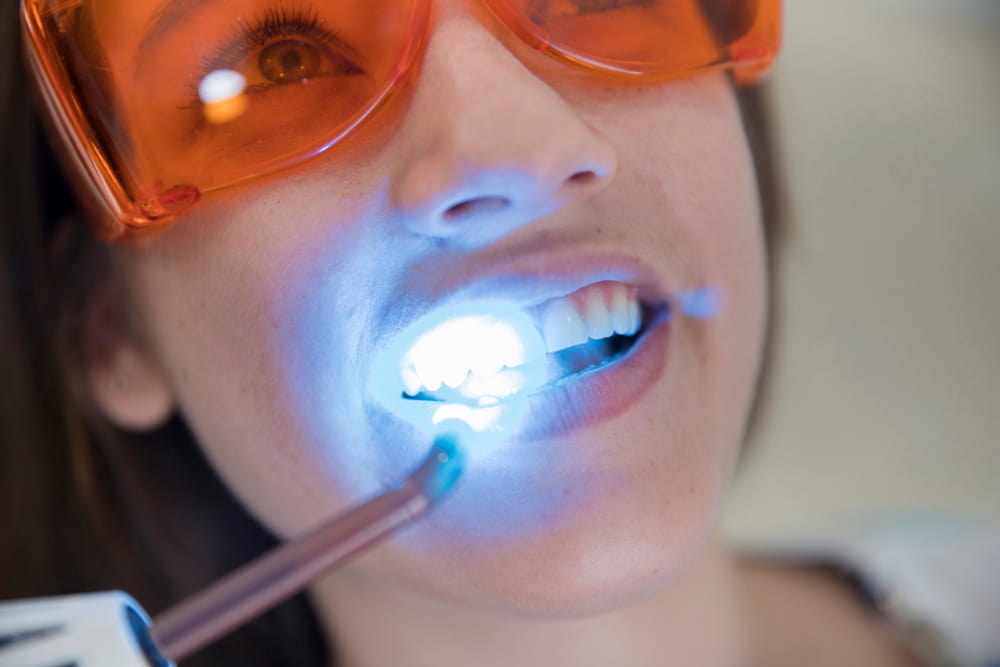
Dentist-supervised whitening treatments, whether performed in-office or through custom take-home systems, offer controlled application and predictable outcomes. These methods are often chosen as part of a broader smile-enhancement plan that may include cosmetic dentistry. When properly monitored, professional whitening can significantly improve brightness while minimizing sensitivity and protecting enamel.
Over-the-Counter Products: What to Approach with Caution
Over-the-counter whitening products vary widely in quality and effectiveness. Whitening strips, gels, and toothpastes can offer mild improvements for surface stains, but results are often limited and inconsistent. Some products contain lower concentrations of whitening agents, which may be safer for unsupervised use but less impactful overall.
Certain trends and DIY remedies should be approached with skepticism. Charcoal powders, lemon juice, and baking soda are often promoted online, yet these substances can be abrasive or acidic. Repeated use may wear down enamel, leading to increased sensitivity and a higher risk of future discoloration. Understanding what to skip is just as important as knowing what works.
Common Whitening Myths to Skip
Misinformation about teeth whitening is widespread, and separating fact from fiction can protect long-term oral health. Many myths focus on quick fixes that promise dramatic results without professional guidance. These claims often overlook the complexity of tooth structure and stain composition.
Common whitening myths include:
- Whitening toothpaste can dramatically change tooth color
- Natural remedies are always safer than clinical products
- More frequent whitening leads to better results
- Whitening works equally well on crowns, fillings, and veneers
Believing these myths can lead to disappointment or even damage. Restorations do not respond to whitening agents, and excessive use of whitening products can weaken enamel rather than improve appearance.
Managing Sensitivity and Protecting Enamel
Tooth sensitivity is a common concern during whitening, particularly when products are overused or improperly applied. Sensitivity occurs when whitening agents temporarily open microscopic pores in the enamel, allowing stimuli to reach the underlying dentin. While this effect is often temporary, repeated irritation can lead to lasting discomfort.
A conservative approach aligns well with principles seen in minimally invasive dentistry. Whitening should enhance appearance without compromising tooth health. Using desensitizing products, spacing out whitening sessions, and avoiding abrasive substances can help protect enamel and maintain comfort throughout the process.
Setting Realistic Expectations for Results
Teeth whitening can be highly effective, but results vary based on individual factors such as enamel thickness, stain type, and oral habits. Most whitening treatments can lift tooth color several shades, but they do not create a uniform “paper-white” appearance. Natural variation in tooth color is normal and healthy.
Long-term success also depends on maintenance. Limiting stain-causing foods, practicing good oral hygiene, and addressing alignment issues through options like Invisalign can help keep teeth brighter over time. Education-focused practices like Aloe Dental Wellness encourage patients in Goleta, CA to think of whitening as one part of overall oral wellness rather than a one-time fix.
Making Informed Choices for a Healthier Smile
Teeth whitening is most effective when guided by evidence-based methods and realistic goals. Understanding which options truly work and which to skip empowers patients to protect both the beauty and health of their smiles. A thoughtful approach reduces risks while supporting long-term satisfaction with results.
For those seeking reliable dental education, Aloe Dental Wellness emphasizes informed decision-making as the foundation of oral health. By learning how whitening works and what to avoid, patients can make choices that support a brighter smile without sacrificing enamel strength or comfort, leading to healthier, more confident smiles for years to come.
Resources:
Joiner, A. (2006). The bleaching of teeth: A review of the literature. Journal of Dentistry.
Carey, C. M. (2014). Tooth whitening: What we now know. Journal of Evidence-Based Dental Practice.
American Dental Association. (2022). Tooth whitening/bleaching: Treatment considerations. ADA Science Institute.