A small chip in a front tooth or a noticeable gap between teeth can have a significant impact on how people feel about their smiles. While these concerns may not always affect oral health, they can influence confidence during conversations, photographs, and social interactions. Fortunately, modern cosmetic dentistry offers several solutions, and dental bonding is often one of the most straightforward and conservative options available.
At Aloe Dental Wellness in Goleta, CA, Dr. Daniela Cadavid emphasizes the importance of understanding all available treatment options before making decisions about smile improvements. Dental bonding is frequently recommended as an educational example of how modern dentistry can address cosmetic concerns without extensive dental procedures.
Dental bonding uses a tooth-colored composite resin that is carefully shaped and attached to the surface of a tooth. The material is selected to closely match the natural color of surrounding teeth, allowing the repair to blend seamlessly into the smile. Because the procedure generally requires minimal alteration of natural tooth structure, many patients appreciate it as a conservative cosmetic treatment.
Common Cosmetic Concerns Bonding Can Address
Dental bonding is versatile and can be used to improve a variety of cosmetic imperfections. Whether the issue is the result of an injury, normal wear and tear, or natural tooth shape, bonding can often provide an effective solution.
Some of the most common reasons patients consider dental bonding include:
- Chipped or cracked teeth
- Small gaps between teeth
- Minor tooth discoloration
- Uneven tooth edges
- Teeth that appear too short
- Slightly misshapen teeth
- Small areas of enamel wear
Because bonding is highly customizable, dentists can carefully sculpt the material to improve the overall balance and appearance of the smile. In many cases, the changes can be subtle yet impactful, creating a more harmonious look without dramatically altering natural features.
For patients seeking additional cosmetic enhancements, treatments such as Cosmetic Dentistry may provide broader options for smile transformation.
What to Expect During the Bonding Process
One reason dental bonding remains popular is its simplicity. Unlike some restorative or cosmetic procedures that require multiple appointments, bonding can often be completed in a single visit depending on the complexity of the case.
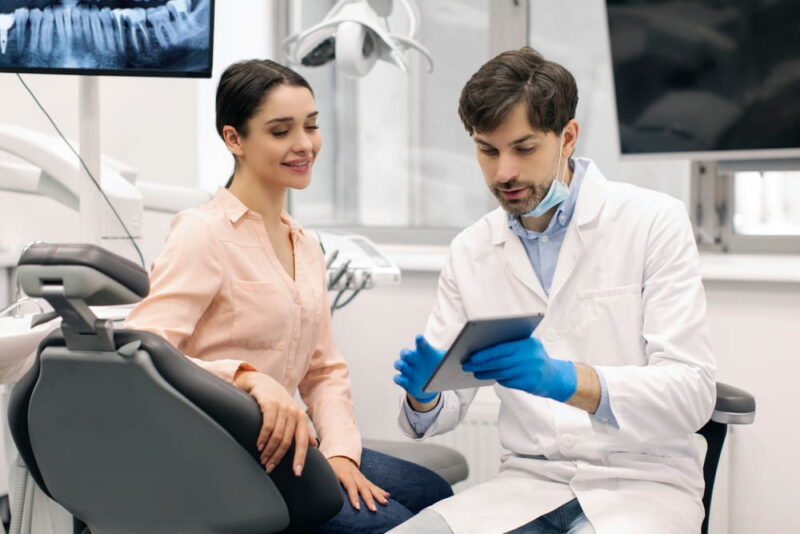
The process typically begins with an evaluation of the tooth and a discussion about cosmetic goals. The dentist selects a composite resin shade that closely matches the surrounding teeth. A conditioning solution is then applied to help the bonding material adhere securely to the tooth surface.
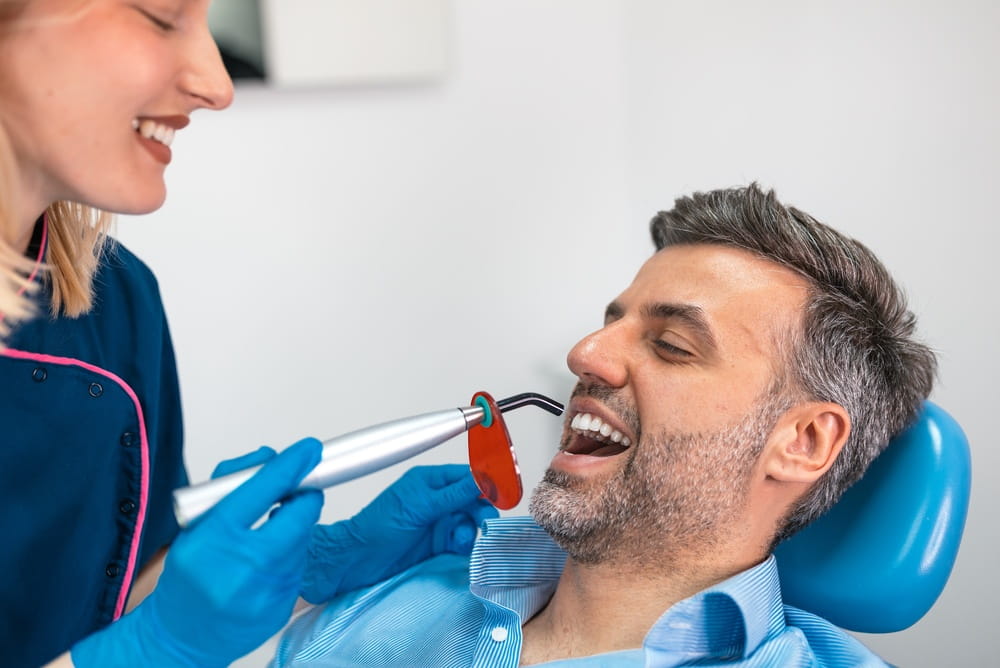
Once the resin is placed, it is carefully shaped and molded to achieve the desired appearance. A specialized curing light hardens the material, and final adjustments are made to ensure a natural look and comfortable bite. The tooth is then polished to create a smooth finish that resembles natural enamel.
Patients are often surprised by how comfortable the procedure can be. In many situations, anesthesia is not necessary because little to no tooth preparation is required.
How Dental Bonding Compares to Other Cosmetic Treatments
Dental bonding is frequently compared to veneers and orthodontic treatments. While each option has its advantages, bonding occupies a unique position because it offers cosmetic improvements with minimal invasiveness and relatively quick results.
For example, individuals with small gaps between teeth may find bonding sufficient for cosmetic correction. However, larger spacing or alignment concerns may be better addressed through treatments such as Invisalign, which gradually moves teeth into more ideal positions.
Similarly, bonding may be a practical choice for minor chips and imperfections, while extensive cosmetic changes could require a more comprehensive treatment plan. The best approach depends on individual goals, oral health status, and long-term expectations.
Patients interested in preserving as much natural tooth structure as possible often appreciate how bonding aligns with the principles of Minimally Invasive Dentistry, which focuses on conservative treatment whenever appropriate.
Caring for Bonded Teeth for Long-Lasting Results
Although dental bonding is durable, proper care plays an important role in maintaining results. The composite material can last for several years when patients follow good oral hygiene habits and avoid unnecessary stress on their teeth.
Daily brushing and flossing remain essential. Regular dental checkups allow potential issues to be identified early and help maintain the appearance of bonded teeth. Patients should also be mindful of habits such as chewing ice, biting fingernails, or using teeth as tools, as these behaviors can increase the risk of damage.
Certain foods and beverages may contribute to staining over time. While bonding material resists discoloration, it may not respond to whitening treatments in the same way natural enamel does. Practicing good oral hygiene and limiting excessive exposure to staining substances can help preserve a bright, natural-looking smile.
In situations involving sudden tooth damage, prompt evaluation through services such as Emergency Dental care can help prevent more extensive complications.
A Conservative Path Toward a More Confident Smile
Cosmetic dentistry does not always require extensive procedures to make a meaningful difference. Dental bonding demonstrates how modern materials and techniques can address chips, gaps, and minor imperfections with efficiency and precision. For many individuals, it provides an opportunity to enhance their smile while preserving natural tooth structure.
At Aloe Dental Wellness in Goleta, CA, Dr. Daniela Cadavid encourages patients to learn about all available treatment options so they can make informed decisions about their oral health and appearance. Understanding how dental bonding works can be an important first step toward achieving a smile that looks natural, healthy, and confident for years to come.
Resources
Demarco, F. F., Collares, K., Coelho-de-Souza, F. H., Correa, M. B., Cenci, M. S., Moraes, R. R., & Opdam, N. J. M. (2015). Anterior Composite Restorations: A Systematic Review on Long-Term Survival and Reasons for Failure. Dental Materials.
Opdam, N. J. M., Van De Sande, F. H., Bronkhorst, E., Cenci, M. S., Bottenberg, P., Pallesen, U., & Huysmans, M. C. D. N. J. M. (2014). Longevity of Posterior Composite Restorations. Journal of Dental Research.
Magne, P., & Belser, U. (2003). Bonded Porcelain Restorations in the Anterior Dentition: A Biomimetic Approach. Quintessence Publishing.