Losing a tooth can affect much more than appearance. A missing tooth may make it difficult to chew certain foods, speak clearly, and feel confident when smiling or interacting with others. Fortunately, modern dentistry offers solutions that closely replicate the look and function of natural teeth. One of the most effective options is an implant crown, which serves as the visible portion of a dental implant restoration.
At Aloe Dental Wellness in Goleta, CA, Dr. Daniela Cadavid recognizes the significant impact that tooth loss can have on daily life. Understanding how implant crowns work and the benefits they provide can help patients make informed decisions about their oral health. Implant crowns are designed to restore both function and aesthetics, allowing individuals to regain comfort and confidence after losing a tooth.
What Is an Implant Crown?
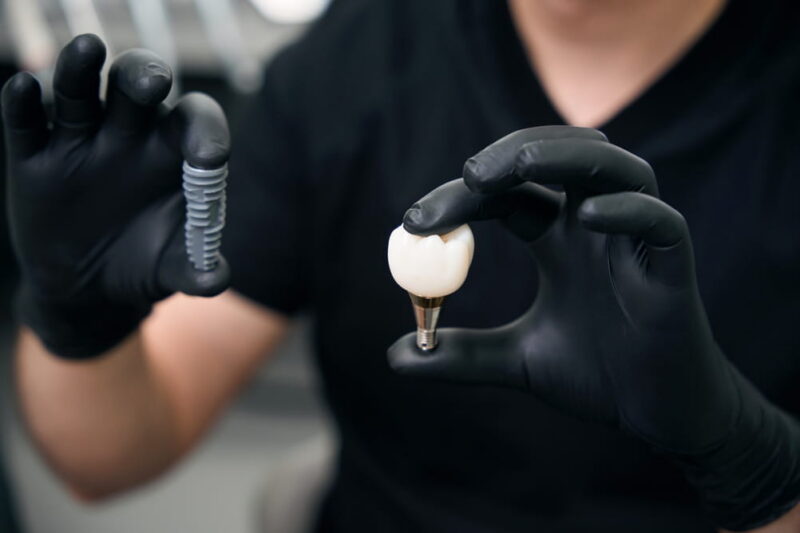
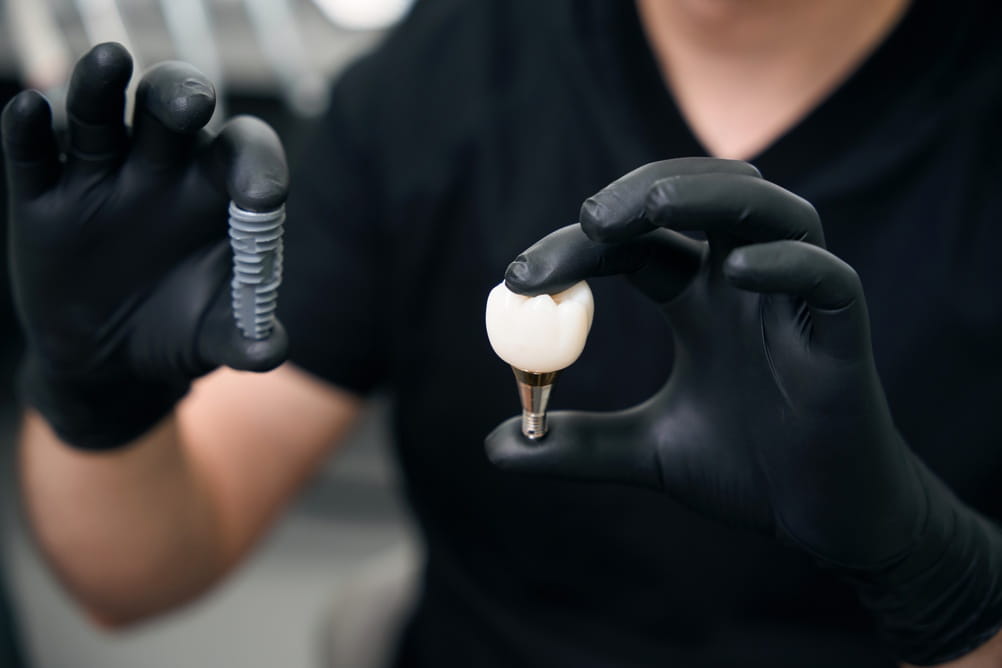
A dental implant restoration typically consists of three components: the implant post, the abutment, and the crown. The implant post is surgically placed into the jawbone and functions as an artificial tooth root. Once healing occurs, an abutment connects the implant to the crown. The crown is the custom-designed visible tooth that completes the restoration.
Unlike removable replacement options, implant crowns are securely attached to the implant structure. This stability allows them to function much like natural teeth. Modern crowns are carefully crafted to match surrounding teeth in shape, size, and color, creating a natural appearance that blends seamlessly with the smile.
Patients often appreciate that implant crowns do not rely on neighboring teeth for support. This independent structure helps preserve the health of adjacent teeth while providing long-term stability and durability.
Restoring Everyday Function
One of the most immediate benefits of an implant crown is the restoration of normal oral function. Missing teeth can make routine activities more challenging than many people realize. Chewing certain foods may become uncomfortable, and individuals may unconsciously avoid foods they once enjoyed.
Implant crowns are designed to withstand normal chewing forces, allowing patients to eat a wider variety of foods with confidence. Because the implant integrates with the jawbone, the restoration provides exceptional support compared to some other tooth replacement options. This secure foundation helps improve biting efficiency and overall comfort during meals.
Speech can also improve after tooth replacement. Missing teeth may affect pronunciation and airflow during speech, particularly when front teeth are involved. Implant crowns help restore proper tooth positioning, supporting clearer speech patterns and reducing self-consciousness during conversations.
Supporting Long-Term Oral Health
Beyond restoring appearance and function, implant crowns contribute to overall oral health. When a tooth is lost, the underlying jawbone no longer receives stimulation from the natural tooth root. Over time, this can lead to bone loss in the area. Dental implants help address this issue by providing stimulation to the jawbone, helping maintain bone structure.
Preserving bone levels is important not only for oral health but also for facial appearance. Bone loss can contribute to changes in facial contours, creating a prematurely aged appearance. Implant-supported restorations help support the underlying structures that maintain facial shape.
Patients interested in preserving their smiles often appreciate how implant restorations align with the principles of Minimally Invasive Dentistry. Because implant crowns do not require altering adjacent healthy teeth, they offer a conservative approach to tooth replacement.
The Confidence That Comes With a Complete Smile
The emotional impact of tooth loss can be significant. Many individuals feel embarrassed about visible gaps in their smiles and may avoid photographs, social gatherings, or professional interactions. These concerns can affect self-esteem and quality of life.
Implant crowns are designed to closely resemble natural teeth, allowing many patients to smile without worrying about noticeable differences. The secure nature of the restoration also eliminates concerns about movement or shifting while speaking or eating. This reliability often provides a sense of reassurance that contributes to improved confidence.
For individuals interested in enhancing the overall appearance of their smiles, implant crowns can complement other aesthetic improvements. Educational information about Cosmetic Dentistry demonstrates how restoring missing teeth often plays an important role in achieving a balanced, healthy-looking smile.
Caring for Implant Crowns
One reason implant crowns are so popular is that they are relatively easy to maintain. Daily care is similar to caring for natural teeth. Brushing twice daily, flossing regularly, and attending routine dental examinations remain essential for long-term success.
Although implant crowns cannot develop cavities, the surrounding gum tissue still requires proper care. Plaque accumulation can contribute to inflammation and other complications if oral hygiene is neglected. Consistent home care and professional monitoring help support the longevity of the restoration.
Patients should also avoid habits that place excessive stress on their teeth, such as chewing ice or using teeth as tools. Protective appliances may be recommended for individuals who grind or clench their teeth during sleep.
Why Implant Crowns Are a Popular Tooth Replacement Option
Dental implants have become one of the most trusted methods for replacing missing teeth because they address both functional and aesthetic concerns. Implant crowns provide stability, durability, and a natural appearance that many patients find difficult to distinguish from their natural teeth.
In addition to restoring chewing ability and speech, implant crowns help support bone health, maintain facial structure, and improve self-confidence. Their ability to function independently of neighboring teeth makes them a valuable long-term solution for many individuals experiencing tooth loss.
Aloe Dental Wellness encourages patients in Goleta, CA, to learn about the various options available for replacing missing teeth. Dr. Daniela Cadavid believes that understanding the benefits of implant crowns empowers patients to make decisions that support both oral health and overall well-being. By restoring function and confidence, implant crowns can help individuals enjoy everyday activities with greater comfort and peace of mind.
Resources
Misch, C. E. (2021). Dental Implant Prosthetics. Elsevier.
Buser, D., Sennerby, L., & De Bruyn, H. (2017). Modern Implant Dentistry Based on Osseointegration: Fifty Years of Progress. Journal of Periodontology.
American Academy of Implant Dentistry. (2024). Dental Implant Frequently Asked Questions. American Academy of Implant Dentistry.