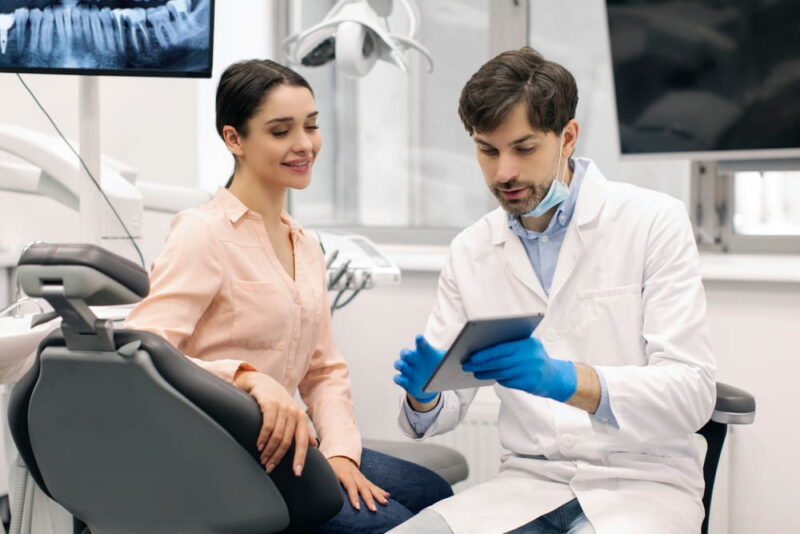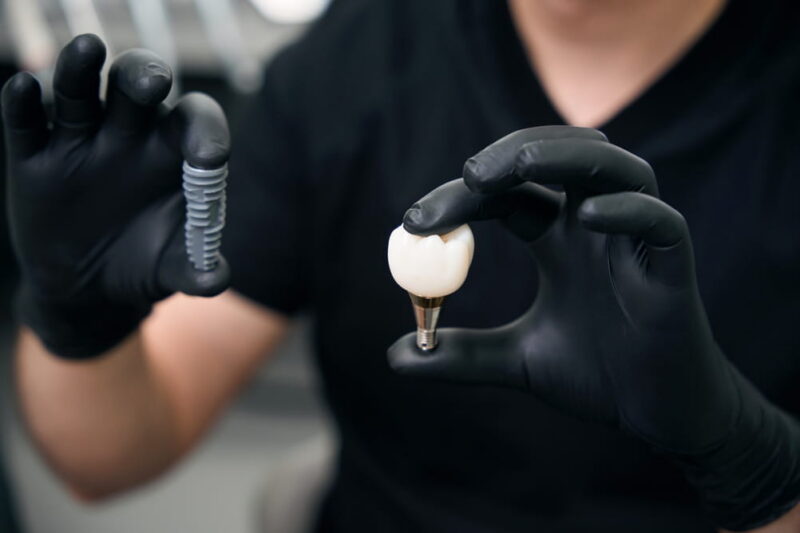
At Aloe Dental Wellness in Goleta, CA, dental emergencies can happen when least expected, leaving patients unsure of how to respond. A dental emergency refers to any situation that requires immediate attention to alleviate severe pain, prevent infection, or save a tooth. Unlike routine dental visits, emergencies demand prompt action to avoid complications that can impact oral health, overall well-being, and daily life. Understanding the types of dental emergencies and appropriate responses is crucial for managing these situations effectively.
Dental emergencies can arise from accidents, injuries, or underlying dental conditions that suddenly worsen. For instance, a tooth may be knocked out during sports, or severe pain may develop from an untreated cavity. Recognizing early warning signs, such as swelling, bleeding, or intense discomfort, can help individuals act quickly and potentially prevent further damage. Knowledge of emergency dental care is an essential part of maintaining oral health and ensuring rapid intervention when problems occur.
Common Types of Dental Emergencies
Dental emergencies encompass a wide range of situations, each requiring specific actions. Toothaches, broken or chipped teeth, lost fillings or crowns, and abscesses are among the most common emergencies. A severe toothache may indicate an infection that could spread if left untreated, while a broken tooth can affect not only appearance but also the ability to chew and speak properly.
Other emergencies include trauma to the mouth or jaw, such as fractures or displaced teeth, and injuries to the soft tissues of the mouth, including gums and lips. It is essential to assess the situation carefully, as some conditions may require immediate professional attention, while others can be managed temporarily with first aid measures. Knowing how to respond appropriately can reduce pain, prevent infection, and increase the chances of saving a damaged tooth.
Immediate Steps to Take During a Dental Emergency
Responding quickly and calmly is key in any dental emergency. First, assess the situation and determine the severity of the problem. If a tooth is knocked out, it is important to handle it carefully by holding it by the crown, not the root, and attempting to place it back into the socket if possible. If reimplantation is not feasible, keeping the tooth in a container with milk or saliva can help preserve it until professional care is available.
For severe tooth pain or swelling, rinsing the mouth with warm salt water and using over-the-counter pain relief may provide temporary comfort. Bleeding from a tooth or gum injury should be controlled with gentle pressure using a clean cloth or gauze. Other helpful measures include:
- Applying a cold compress to reduce swelling and discomfort
- Avoiding hard or sticky foods that may worsen the injury
- Keeping the head elevated to minimize throbbing or bleeding
These steps are intended to stabilize the situation until proper professional evaluation can occur, highlighting the importance of timely intervention in dental emergencies.
Preventing and Preparing for Dental Emergencies
While not all dental emergencies can be prevented, maintaining good oral hygiene and regular dental check-ups can reduce the risk of certain issues, such as cavities, gum disease, and infections. Wearing protective gear during sports or high-risk activities can also prevent trauma-related emergencies.
Being prepared for a dental emergency involves knowing basic first aid for teeth and gums and having access to emergency contact information for dental professionals. Understanding which situations require immediate attention versus those that can wait can reduce stress and improve outcomes. Having a plan in place ensures a swift response, potentially saving teeth and minimizing pain during unexpected incidents.
Conclusion
Dental emergencies can be frightening, but understanding how to respond quickly and effectively is essential for preserving oral health. By recognizing common emergencies, taking immediate steps, and preparing in advance, individuals can better manage these situations. Residents of Goleta, CA, can benefit from educational resources and guidance from Aloe Dental Wellness, which provides insight into emergency dental care and best practices for maintaining a healthy smile. Proper knowledge and preparation help ensure that dental emergencies are handled efficiently, reducing complications and promoting overall oral well-being.
Resources
Cohen, L. K., & Hargreaves, K. M. (2017). Pathways of the Pulp. Elsevier.
Malhotra, N., & Kundabala, M. (2013). Emergency Management of Dental Trauma. Journal of Conservative Dentistry.
Andreasen, J. O., & Andersson, L. (2007). Textbook and Color Atlas of Traumatic Injuries to the Teeth. Blackwell Publishing.