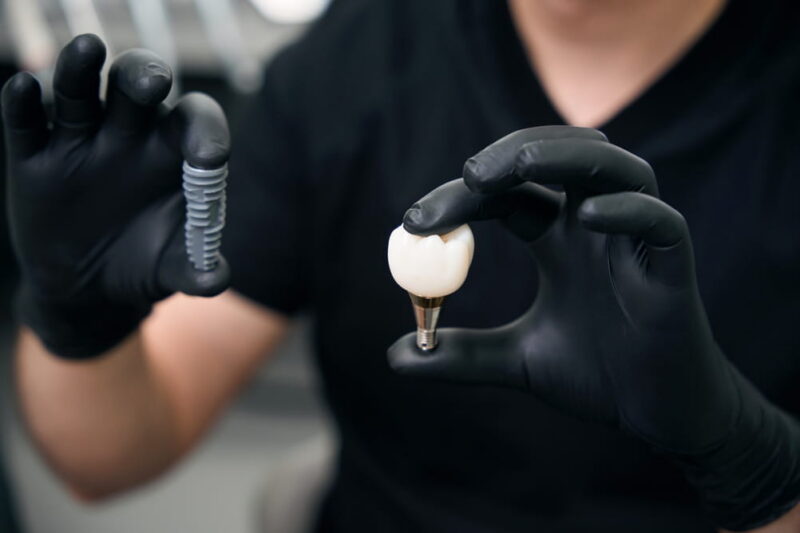
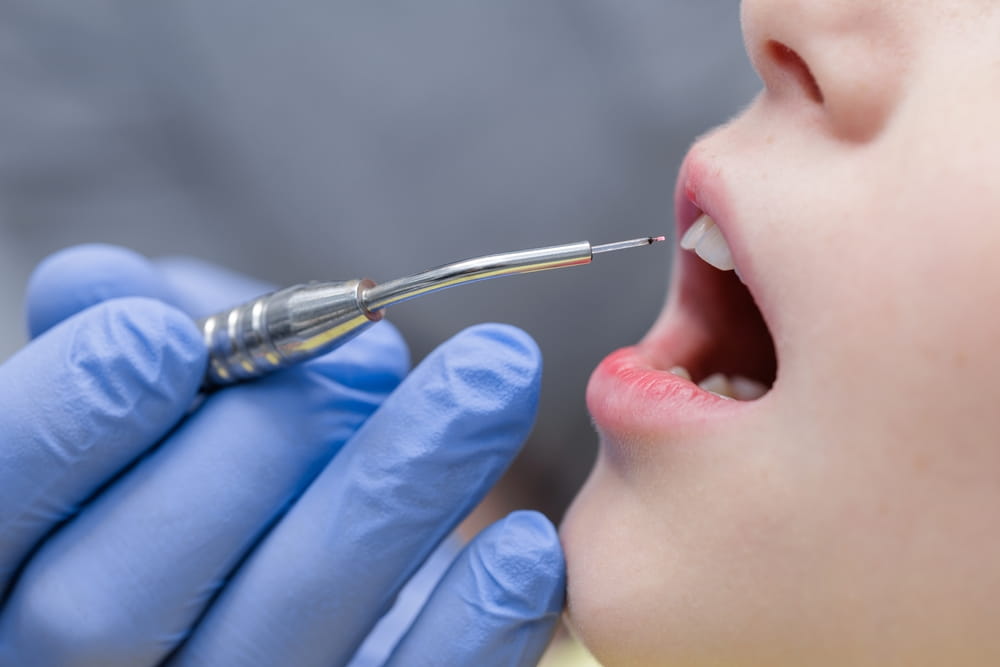
Minimally invasive dentistry is a modern approach to oral care that focuses on preserving as much natural tooth structure as possible while still addressing dental concerns effectively. Instead of automatically turning to aggressive treatments, this philosophy emphasizes early detection, prevention, and conservative intervention. For patients thinking long term, this approach can make a meaningful difference in how their smile ages over time.
At its core, minimally invasive dentistry recognizes that natural enamel and tooth structure are valuable and irreplaceable. By using advanced diagnostic tools and refined techniques, dentists can identify problems at earlier stages, often before significant damage occurs. This allows for treatments that are gentler and more targeted, helping teeth remain stronger and more resilient for decades.
Preserving Natural Tooth Structure
One of the most significant benefits of minimally invasive dentistry is the emphasis on preservation. Traditional dental treatments sometimes require removing healthy tooth material to access or repair damage. In contrast, minimally invasive methods aim to remove only what is absolutely necessary, leaving the rest of the tooth intact.
Over time, preserving natural tooth structure contributes to better oral function and aesthetics. Teeth that retain more of their original enamel are less likely to fracture, wear down prematurely, or require complex restorative procedures later. This philosophy aligns closely with long-term cosmetic goals, as treatments such as cosmetic dentistry often benefit from a strong, natural foundation.
Advanced Techniques and Technology
Modern dental technology plays a key role in making minimally invasive dentistry possible. Digital imaging, intraoral cameras, and laser dentistry allow for precise diagnosis and treatment planning. These tools help clinicians see problems that might not be visible during a traditional exam, enabling earlier and more conservative care.
For example, technologies used alongside orthodontic solutions like Invisalign can help guide tooth movement more accurately while minimizing stress on surrounding teeth and bone. Similarly, minimally invasive techniques can support more comfortable and efficient care when addressing urgent needs, such as those that arise during emergency dental situations.
Long-Term Benefits for Oral Health
Choosing minimally invasive dentistry can have lasting benefits that extend far beyond the immediate treatment. By reducing trauma to teeth and surrounding tissues, patients often experience quicker healing times, less discomfort, and a lower risk of complications. These advantages can encourage patients to stay proactive about their oral health, reinforcing positive habits over time.
Additionally, conservative care helps maintain the natural balance of the mouth. Teeth that are preserved rather than heavily restored are better able to support healthy gums and proper bite alignment. This stability can reduce the likelihood of future dental problems and support overall wellness as patients age.
When Minimally Invasive Dentistry Is Most Effective
Minimally invasive dentistry is especially effective when combined with preventive care and patient education. Regular dental visits, professional cleanings, and good home care habits allow issues to be caught early, when conservative treatments are most successful. Patients who understand the importance of prevention are better equipped to protect their smiles long term.
Common situations where minimally invasive approaches are beneficial include:
- Early-stage cavities that can be treated conservatively
- Minor cosmetic concerns that do not require extensive reshaping
- Orthodontic planning that prioritizes enamel preservation
- Supportive care following emergency dental treatment
A Thoughtful Approach to a Lasting Smile
Minimally invasive dentistry reflects a shift toward thoughtful, patient-centered care that values long-term outcomes over short-term fixes. By prioritizing preservation, precision, and prevention, this approach helps patients maintain healthier, more natural smiles throughout their lives.
For individuals seeking to understand how modern dental philosophies support lasting oral health, resources like Aloe Dental Wellness emphasize education and awareness as essential tools. A long-term smile is built on informed choices, and minimally invasive dentistry offers a pathway that respects both the beauty and function of natural teeth. As patients in Goleta, CA and beyond continue learning about their options, the principles behind Aloe Dental Wellness highlight how conservative care can support confident, healthy smiles well into the future.
Resources:
Frencken, J. E., Peters, M. C., Manton, D. J., Leal, S. C., Gordan, V. V., & Eden, E. (2012). Minimal intervention dentistry for managing dental caries. Journal of Dental Research.
Tyas, M. J., Anusavice, K. J., Frencken, J. E., & Mount, G. J. (2000). Minimal intervention dentistry—a review. International Dental Journal.
Fejerskov, O., Nyvad, B., & Kidd, E. (2015). Dental Caries: The Disease and Its Clinical Management. Wiley Blackwell.