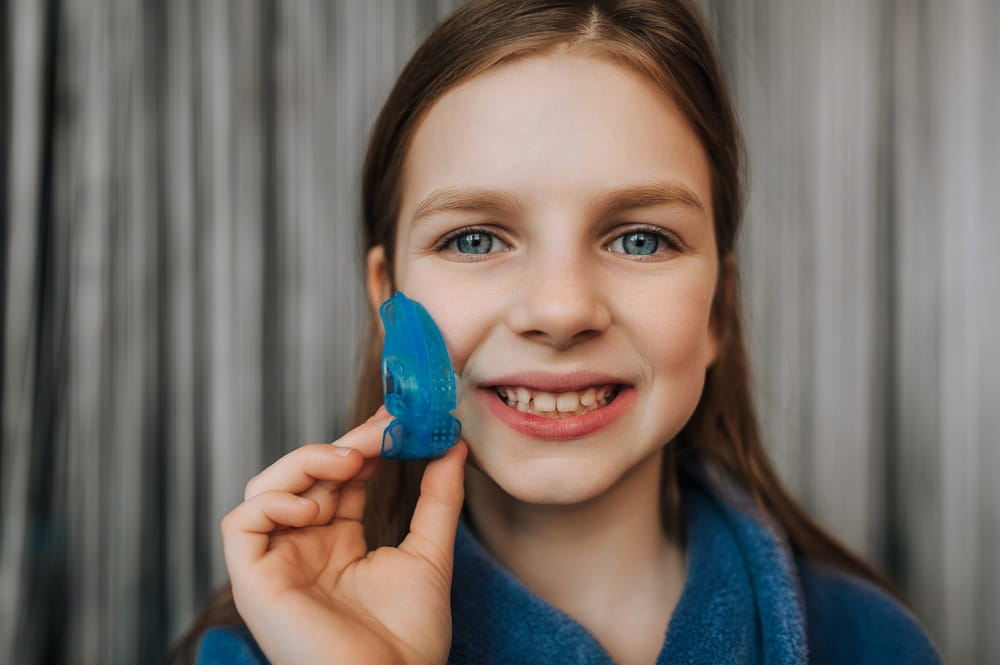
When most people think about mouth guards, they picture athletes wearing protective gear during football games, basketball tournaments, or other contact sports. While sports-related protection remains one of the most common uses, mouth guards serve a much broader purpose than many realize. In fact, countless adults and children who never participate in organized sports can benefit from wearing a mouth guard.
At Aloe Dental Wellness in Goleta, CA, Dr. Daniela Cadavid believes that patient education plays an important role in maintaining long-term oral health. Understanding how mouth guards work and when they may be beneficial can help patients prevent unnecessary dental damage and protect their smiles for years to come.
Many dental issues develop gradually over time. Habits such as teeth grinding, jaw clenching, and certain sleep-related conditions can place significant stress on the teeth and supporting structures. In these situations, a properly designed mouth guard may serve as a valuable preventive tool.
The Hidden Impact of Teeth Grinding
One of the most common reasons dentists recommend mouth guards is bruxism, commonly known as teeth grinding. Many people grind or clench their teeth while sleeping without realizing it. Because the activity occurs unconsciously, patients often become aware of the problem only after symptoms develop.
Nighttime grinding can place tremendous pressure on the teeth. Over time, this repetitive force may wear down enamel, flatten tooth surfaces, create small fractures, and increase tooth sensitivity. Some individuals also experience headaches, facial soreness, or jaw discomfort upon waking.
A custom mouth guard creates a protective barrier between the upper and lower teeth. Rather than allowing teeth to rub directly against one another, the appliance absorbs and distributes pressure more evenly. This can help reduce wear while preserving the natural structure of the teeth.
Jaw Clenching and TMJ-Related Concerns
Not all oral habits involve grinding. Many people clench their jaws throughout the day or while sleeping. Stress, anxiety, concentration, and poor posture can all contribute to excessive jaw tension. Unfortunately, this constant pressure can affect the temporomandibular joints (TMJs), which connect the jaw to the skull.
Persistent clenching may contribute to symptoms such as jaw soreness, facial muscle fatigue, clicking sounds, limited jaw movement, and recurring headaches. While mouth guards are not a cure for every TMJ-related issue, they are often part of a comprehensive strategy designed to reduce stress on the teeth and jaw.
Patients who notice jaw discomfort should seek professional evaluation to determine the underlying cause. Early intervention can help prevent worsening symptoms and preserve long-term oral function.
Signs You May Benefit From a Mouth Guard
Many individuals are surprised to learn they have habits that could benefit from protective treatment. Some warning signs are subtle, while others become increasingly noticeable over time.
Common indicators include:
- Waking up with headaches or jaw soreness
- Frequent tooth sensitivity
- Flattened or worn tooth surfaces
- Chipped or cracked teeth without obvious injury
- Jaw clicking or popping
- Facial muscle tension
- Sleep disturbances related to clenching or grinding
Because these symptoms can have multiple causes, a professional dental examination is important for determining whether a mouth guard may be appropriate.
Why Custom Mouth Guards Matter
Store-bought mouth guards are widely available, but they are not always the best solution for long-term protection. Generic appliances are designed to fit a wide range of users, which means they may not fit comfortably or provide optimal protection.
Custom-made mouth guards are designed around an individual’s unique dental anatomy. This personalized fit helps improve comfort, stability, and effectiveness. A properly fitted appliance is more likely to be worn consistently, which is essential for achieving protective benefits.
Custom appliances also allow dental professionals to evaluate specific concerns and design a solution tailored to the patient’s needs. This approach aligns well with the principles of Minimally Invasive Dentistry, which focuses on protecting healthy tooth structure whenever possible.
Mouth Guards and Cosmetic Dental Investments
Protecting natural teeth is important, but mouth guards can also help safeguard cosmetic dental work. Patients who have invested in treatments through Cosmetic Dentistry often want to preserve their results for as long as possible.
Grinding and clenching can place excessive stress on veneers, bonding, whitening results, and other cosmetic enhancements. A protective appliance may help reduce the forces that contribute to premature wear or damage.
Similarly, patients who have completed Invisalign treatment often want to maintain their newly aligned smiles. Protecting teeth from excessive grinding can help support long-term dental health and treatment outcomes.
Protection Beyond Athletics
Although sports injuries remain a valid reason to wear a mouth guard, dental professionals increasingly recognize their value in addressing everyday oral health concerns. Whether the issue involves nighttime grinding, jaw clenching, tooth wear, or protecting cosmetic dental work, mouth guards can play an important role in preventive care.
Many people assume that dental damage occurs suddenly through accidents or trauma. In reality, years of repetitive pressure can be equally destructive. Preventive measures often provide significant benefits before major problems develop.
A Simple Tool for Long-Term Oral Health
Mouth guards may not receive the same attention as cosmetic procedures or restorative treatments, but their role in protecting oral health should not be overlooked. By reducing excessive pressure on teeth and jaws, these appliances can help preserve smiles, improve comfort, and prevent avoidable dental complications.
At Aloe Dental Wellness in Goleta, CA, Dr. Daniela Cadavid encourages patients to understand the many ways preventive dentistry supports overall oral wellness. Whether someone participates in sports or simply wants to protect their teeth from everyday wear and tear, learning about mouth guards can be an important step toward maintaining a healthier smile for years to come.
Resources
Lobbezoo, F., Ahlberg, J., Raphael, K. G., Wetselaar, P., Glaros, A. G., Kato, T., & Santiago, V. (2018). International Consensus on the Assessment of Bruxism. Journal of Oral Rehabilitation.
Manfredini, D., Winocur, E., Guarda-Nardini, L., Paesani, D., & Lobbezoo, F. (2013). Epidemiology of Bruxism in Adults. Journal of Orofacial Pain.
Okeson, J. P. (2020). Management of Temporomandibular Disorders and Occlusion. Elsevier.