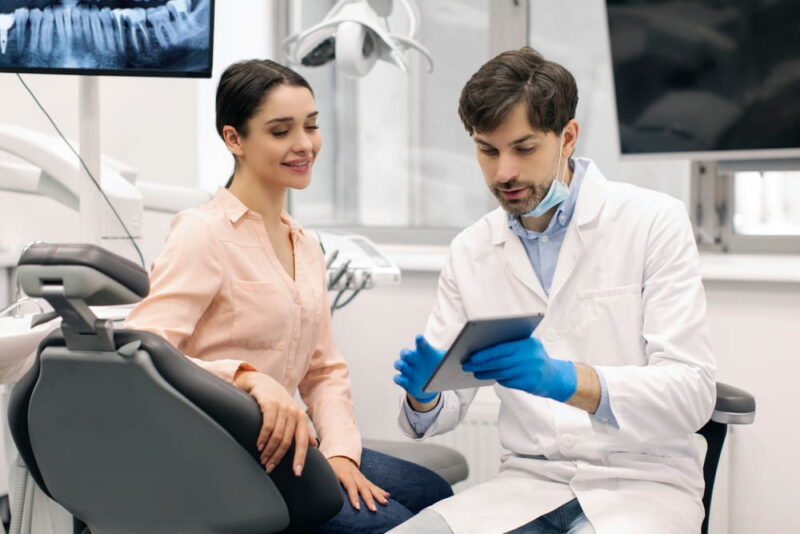
Many people feel nervous before visiting the dentist, even when they know dental care is important. Anxiety often increases when patients must discuss symptoms, treatment options, insurance questions, or medical histories in a language that is not their first language. Clear communication plays a significant role in healthcare, and dentistry is no exception. At Aloe Dental Wellness in Goleta, CA, Dr. Daniela Cadavid understands that language can be a powerful tool for helping patients feel informed, respected, and comfortable throughout their dental experience.
For Spanish-speaking individuals and families, having access to a dentist who speaks their preferred language can remove barriers that might otherwise discourage routine dental visits. Effective communication helps patients better understand their oral health, ask questions with confidence, and participate actively in treatment decisions.
Why Communication Matters in Dental Care
Successful dental treatment depends on more than clinical skills. Dentists must understand patients’ concerns, symptoms, health histories, and goals in order to provide personalized care. Likewise, patients need to understand diagnoses, treatment recommendations, preventive strategies, and post-treatment instructions.
When language barriers exist, important details can sometimes be misunderstood or overlooked. Patients may hesitate to ask questions, express discomfort, or clarify information they do not fully understand. Even routine conversations about oral hygiene habits can become challenging when communication is limited.
A Spanish-speaking dentist helps bridge this gap by creating direct communication between provider and patient. Instead of relying solely on translations or simplified explanations, patients can discuss their concerns naturally and receive information in a language they are most comfortable speaking. This often leads to stronger patient-provider relationships and improved confidence in treatment decisions.
Building Trust Through Familiar Communication
Trust is one of the most important components of healthcare. Patients who feel understood are often more likely to attend regular appointments, follow treatment recommendations, and maintain long-term relationships with their dental providers.
Language plays a significant role in developing that trust. When patients can communicate directly in Spanish, they may feel more comfortable sharing concerns about pain, previous dental experiences, financial considerations, or treatment goals. These conversations allow dentists to provide more personalized recommendations based on each patient’s unique needs.
For many individuals, speaking their native language reduces anxiety and creates a sense of familiarity. Rather than worrying about finding the right words or misunderstanding important information, patients can focus on learning about their oral health and making informed choices regarding their care.
Making Treatment Discussions Easier to Understand
Modern dentistry offers a wide range of treatment options, and patients often need detailed explanations before deciding how to proceed. Understanding the benefits, limitations, risks, and expected outcomes of various procedures is essential for informed consent and successful treatment planning.
A Spanish-speaking dentist can help explain topics such as:
- Preventive dental care recommendations
- Tooth decay and gum disease treatment
- Cosmetic dental procedures
- Orthodontic treatment options
- Emergency dental concerns
- Long-term oral health planning
These discussions become especially valuable when patients are exploring treatments such as Cosmetic Dentistry or considering teeth-straightening options like Invisalign. Being able to ask detailed questions and receive clear explanations in Spanish helps patients feel more confident about their decisions.
Understanding treatment recommendations fully can also improve compliance with home care instructions and follow-up visits, contributing to better long-term oral health outcomes.
Supporting Families Across Generations
Many Spanish-speaking households include multiple generations living together or participating in healthcare decisions. Parents, grandparents, and adult children may all be involved in discussing treatment plans, scheduling appointments, or managing healthcare needs.
A Spanish-speaking dentist can make these family conversations easier by ensuring that information is communicated clearly to everyone involved. Family members often appreciate being able to discuss oral health concerns without relying on interpretation from another relative.
This support becomes particularly valuable when explaining preventive care, discussing treatment plans, or addressing dental emergencies. When communication is clear, families can make more informed decisions and feel more confident supporting one another’s oral health needs.
Encouraging Preventive and Minimally Invasive Care
One of the greatest benefits of effective communication is that it encourages preventive care. Patients who understand the importance of routine visits are often more likely to seek treatment before problems become severe.
Spanish-speaking patients who feel comfortable communicating with their dentist may be more inclined to schedule regular checkups, discuss symptoms early, and ask questions about maintaining healthy teeth and gums. This proactive approach supports preventive strategies and can reduce the need for more extensive treatment later.
Additionally, patients can learn more about approaches such as Minimally Invasive Dentistry, which focuses on preserving healthy tooth structure and addressing concerns in their earliest stages. Clear communication allows patients to better understand how these techniques support long-term oral health.
Creating a More Comfortable Dental Experience
Patient comfort extends beyond physical treatment. Emotional comfort, understanding, and trust all contribute to a positive dental experience. When patients can communicate naturally with their provider, they often feel more relaxed throughout appointments and more confident discussing concerns that may otherwise go unaddressed.
Whether a patient is seeking routine preventive care or needs assistance during an unexpected dental issue requiring Emergency Dental treatment, effective communication helps ensure they understand their options and know what to expect throughout the process.
At Aloe Dental Wellness in Goleta, CA, Dr. Daniela Cadavid recognizes that language can be a powerful factor in creating a welcoming dental environment. A Spanish-speaking dentist does more than translate information—he or she helps build trust, improve understanding, and create a more comfortable experience that supports better oral health for patients and families alike.
Resources
Flores, G. (2006). Language Barriers to Health Care in the United States. New England Journal of Medicine.
Karliner, L. S., Jacobs, E. A., Chen, A. H., & Mutha, S. (2007). Do Professional Interpreters Improve Clinical Care for Patients With Limited English Proficiency? Health Services Research.
Schwei, R. J., Del Pozo, S., Agger-Gupta, N., Alvarado-Little, W., Bagchi, A., Chen, A. H., Diamond, L. C., Garcia, D., Koss, R. G., Kusnoor, S. V., & Jacobs, E. A. (2016). Changes in Research on Language Barriers in Health Care Since 2003. Journal of General Internal Medicine.